 DIY Blog
Stanley #80 Scraper
19 May 2022Whether to make a shimmering finish on highly figured wood or to sit on my shelf and bring me joy, this Stanley #80 scraper is up to the task. All that remains is to restore it to its former glory. Business as usual: new paint job, rust removal, sharpening, and a pinch of love.
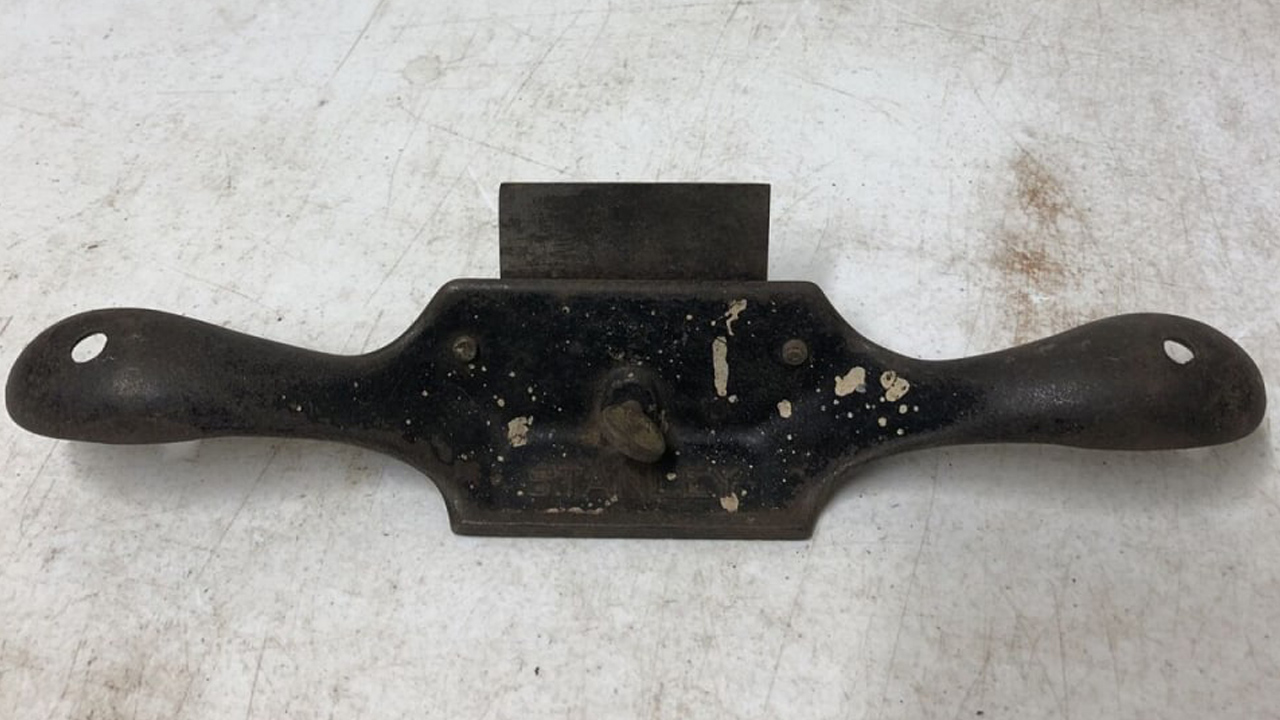
Every time I get one of those woodworking tools, be it a chisel or a plane, they are covered with specks of white paint. Why, I wonder. Half the original finish is gone, and exposed areas have rusted to a deep brown. That's old rust, and it does not go very deep.
No matter, proper sandblasting is all it takes to prepare the tool for painting. Here I also smooth out some imperfections of the original casting with coarse sandpaper. Nothing dramatic, but it will look prettier. Next time I may consider using some automotive putty to fill the most glaring defects.
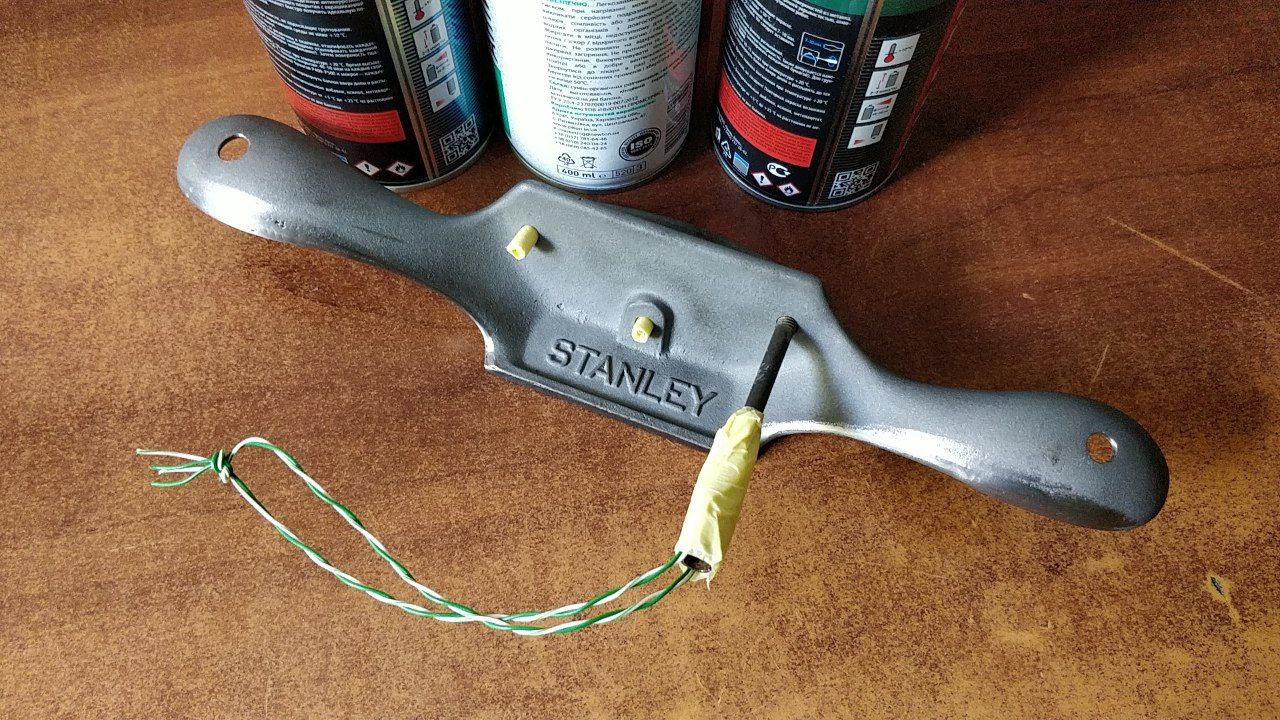
I begin by degreasing the surface. I just spray the degreaser on, and let it drip down taking all the grease with it. Primer is easy to apply. It's acrylic-based and fills the little pores quite nicely. The bigger craters remain visible, and I instantly regret I haven't filled them with putty.
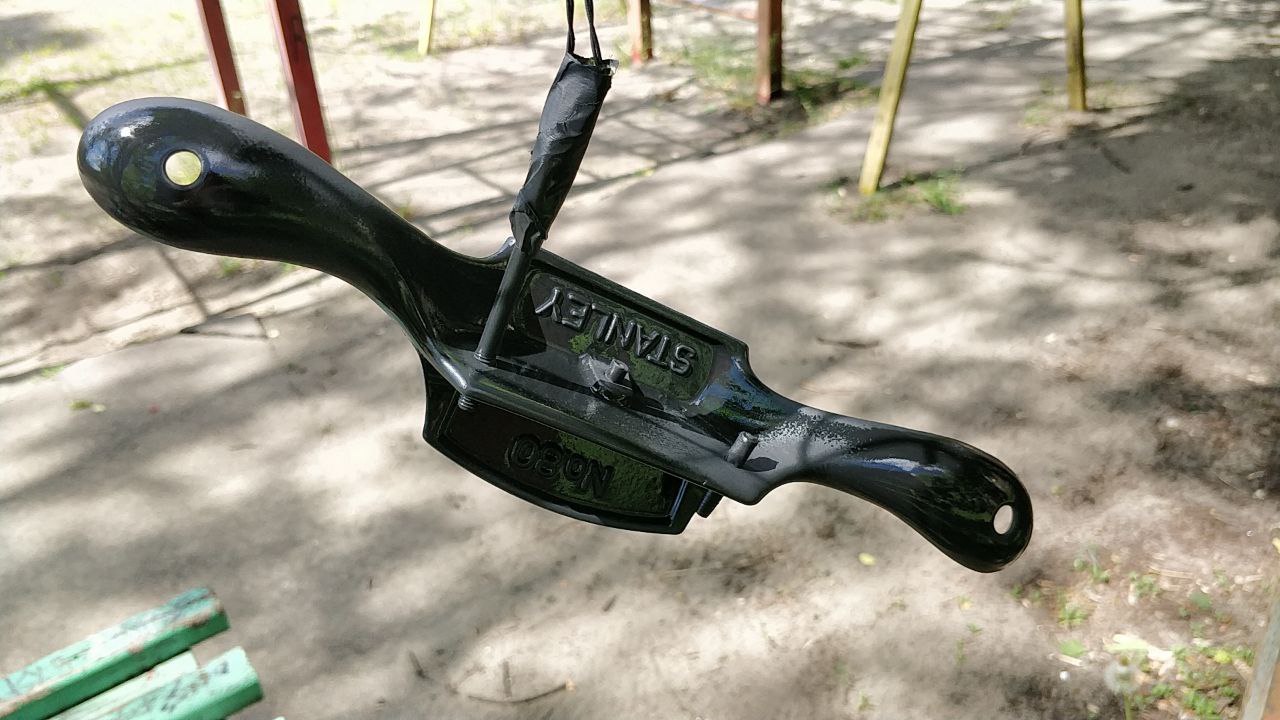
The primer is black, and it dries quickly to a matte finish. Two coats with only 5 minutes to dry between. The instructions on the can say paint can be applied after two hours, but I dry it overnight. I wish I could leave it like that, the deep matte black of the primer is beautiful, but I know this surface needs more coats of paint for durability.
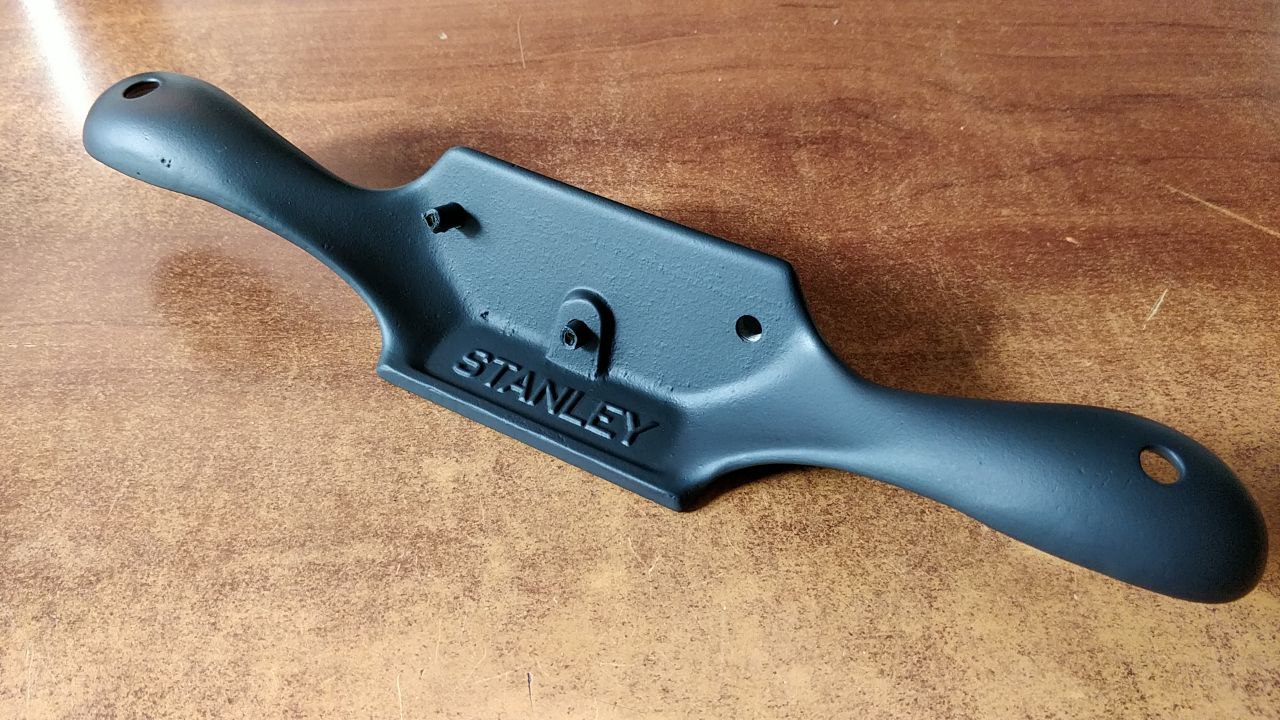
The paint goes on in three layers. It's an alkyd enamel, also black and matte. Smells worse than acrylic, takes marginally longer to dry between coats, and is a bit harder to apply.
It comes as a surprise that the paint takes such a long time to cure. The instructions on the can are explicit: it's got to be less than 2 hours between coats, otherwise, the paint needs to sit for two full weeks before anything can be put on top of it. I guess two weeks is also what it takes for the paint to reach its ultimate hardness.
And unlike the acrylic primer, the paint is actually quite soft even after two days of drying. I can easily make a dent in it with my nail. Fortunately, there is a spot where I can dent all the paint I want: the bottom.
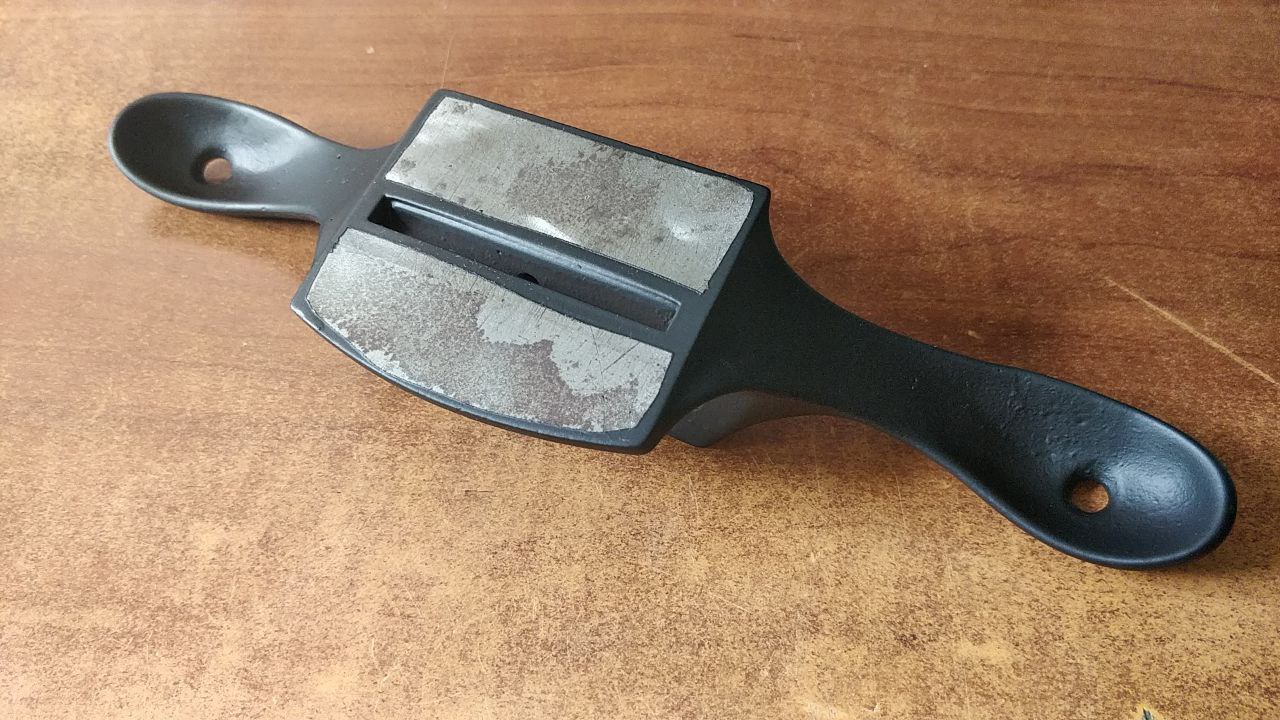
With black primer and black paint, I can easily sand the paint off where it's not needed. Instead of making the perfect mask, I've just covered up the majority of the sole and sprayed it over. This just means less paint to remove and less paint to gum up my sandpaper.
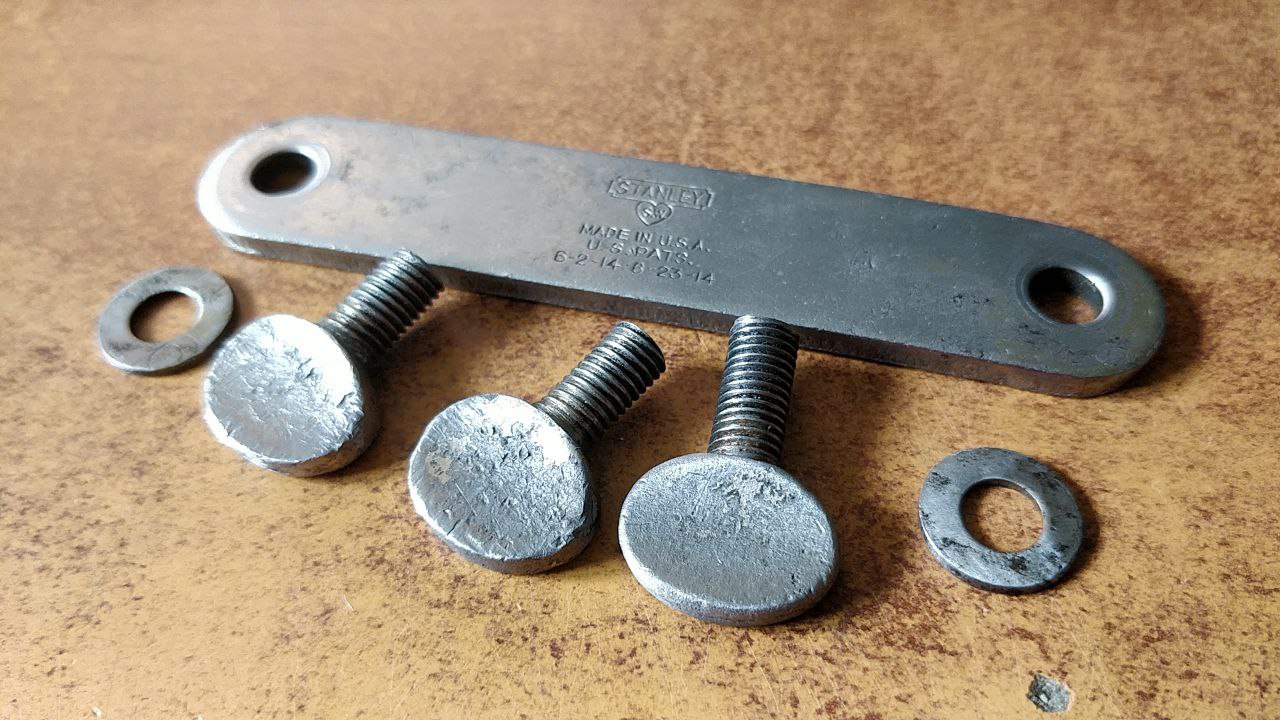
The rest of the hardware is pretty beat up. I remove the rust chemically and touch the surface up a bit with an abrasive pad.
The clamping plate features the beautifully embossed "Sweetheart" logo and two patent dates: 6-2-14 and 6-23-14. Patented in 1914, and produced all the way to 1984. Simply amazing.
There are two things of note here: the screws were originally nickel-plated (there are a few specks of the old plating visible), and the owner used pliers to tighten those screws.
I have no idea why one would tighten these screws with pliers. The pitch on the screws is pretty fine, so it should be easy to tighten them by hand. Anyway, with some Dremel work the sins of the previous owner are gone, and so are the remnants of the original plating.

The sole is flattened on 100 grit sandpaper, which is coarse enough to remove deep scratches and oversprayed paint. I follow it with finer sandpaper to shine it up a little bit. Turns out the sole is quite soft, and simply using the scraper on some hardwood is enough to scratch it again. Too bad I nicked the paint in a few spots while sanding. At least it did not go all the way to the metal.
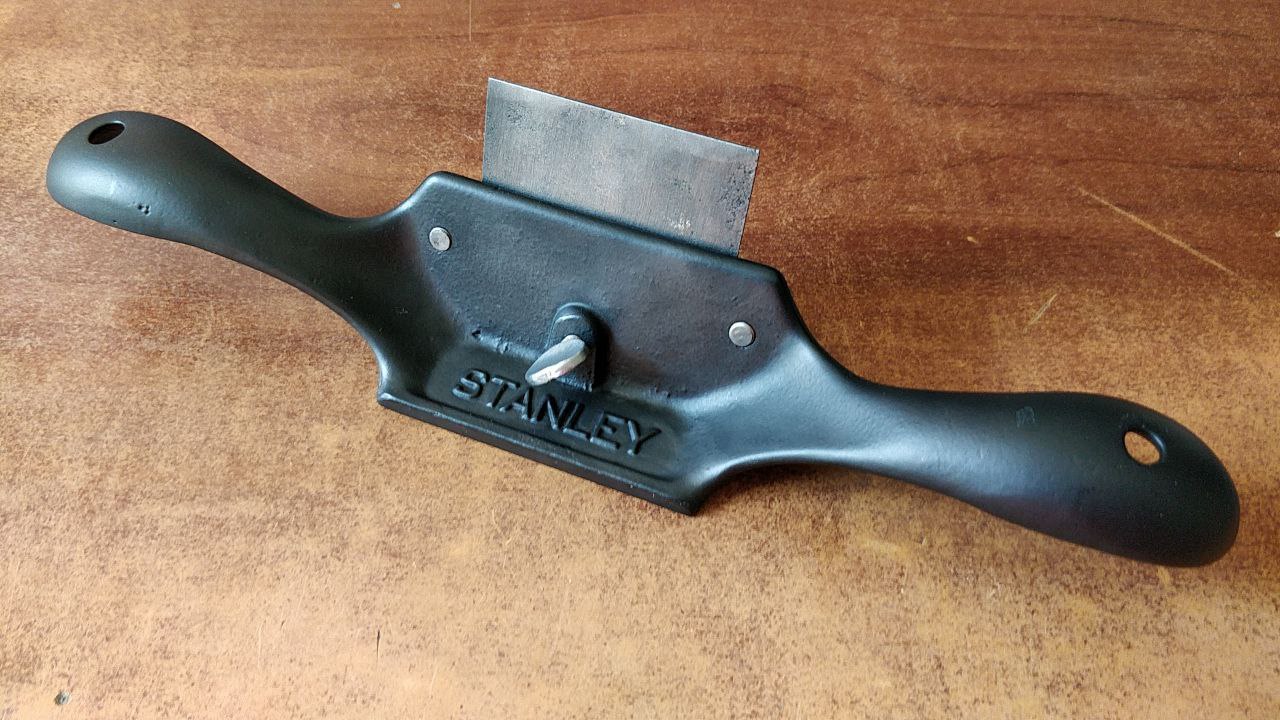
The blade that came with this scraper is unusual. I've seen scraper blades sharpened top and bottom so that when the blade becomes dull it can be turned upside down. This makes sense, you just make a blade of standard width (a bit under 70 mm), and rather long, and then it gets progressively shorter as you sharpen it.
This one, for some reason, is almost square, and two adjacent edges are sharpened. So when you dull one edge, you're supposed to rotate the blade 90 degrees.
I don't like the blade anyway. There is pitting, and the metal is surprisingly brittle, even though it's soft enough to be filed. I have little experience with scrapers, but I imagine the metal needs to be relatively soft and ductile. Otherwise, it would be hard to get a burr by burnishing the edge. So even though this blade works (I've managed to get decent shavings with it), I am inclined to try and carve up an old sawblade as a replacement. Or maybe buy a replacement blade online (...not).